


What does white sapote (casimiroa edulis) taste like?
In the world of exotic fruits, the white sapote stands as a hidden gem, tantalising taste buds with its unique flavour profile and creamy texture. Native to Mexico and Central America, this fruit, also known as the Mexican apple or Casimiroa, has been cherished for centuries by indigenous communities for its delectable taste and nutritional richness. As it finds its way into modern markets and culinary explorations, let’s embark on a sensory journey to unravel the mysteries of what a white sapote tastes like.
White Sapote Appearance and Texture:
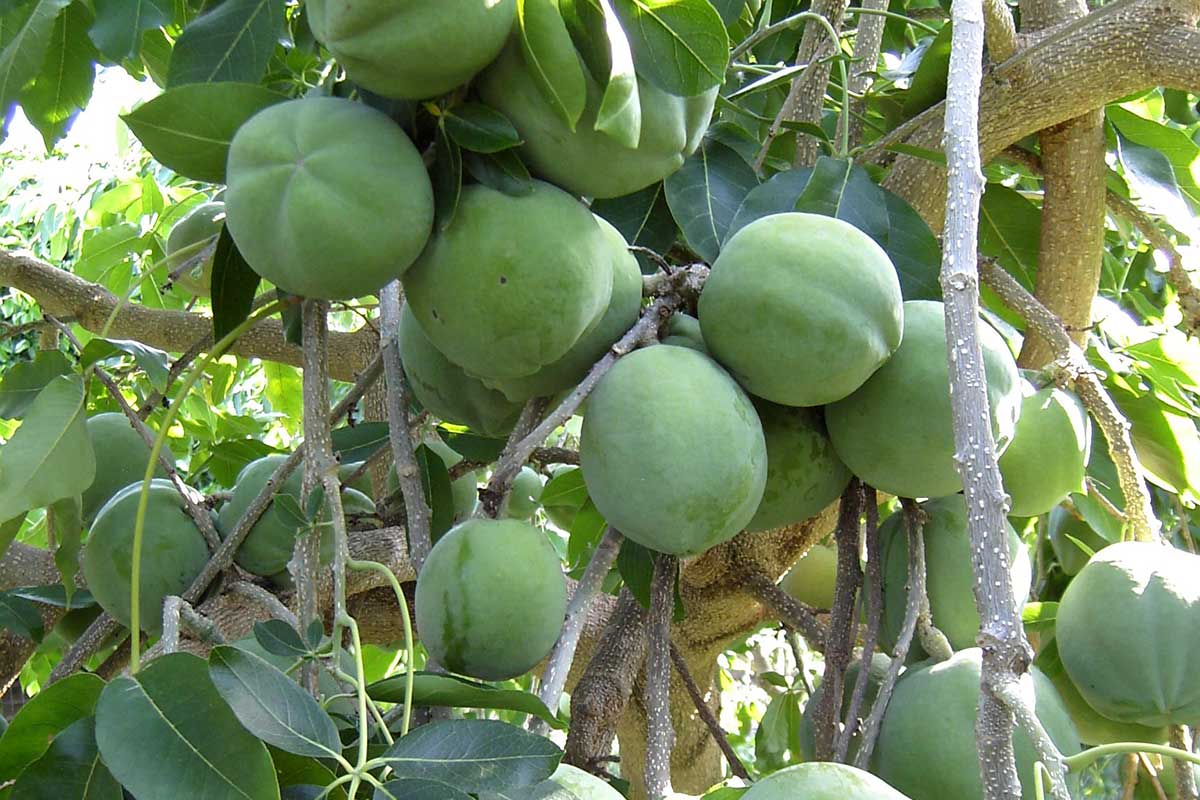
Before delving into its flavour, let’s take a moment to appreciate the white sapote’s appearance and texture. At first glance, it resembles a small, greenish-yellow apple, but its skin is smoother and more delicate. Upon slicing it open, one is greeted by a luscious, creamy interior reminiscent of custard or avocado. Its texture is velvety soft, with usually 3 to 5 large seeds nestled within the flesh.
White Sapote Flavour Profile:
Now, onto the main event—the flavour. Describing the taste of a white sapote is akin to capturing a tropical paradise in words. Imagine the sweetness of a ripe peach intermingled with the delicate tanginess of a pineapple, all wrapped in a creamy, custard-like texture. It’s a flavour symphony that dances across the palate, evoking memories of sun-kissed beaches and lush rainforests.
The sweetness of the white sapote is its defining characteristic, but it’s not syrupy or overpowering. Instead, it’s balanced by subtle notes of acidity that add depth and complexity to each bite. Some liken its taste to a blend of banana and pear, with hints of vanilla and caramel rounding out the experience. Every mouthful is a revelation, offering a harmonious blend of flavours that linger long after the fruit has been consumed.
Versatility with White Sapote in Culinary Creations:
Beyond its captivating flavour, the white sapote’s versatility in culinary applications is truly remarkable. Its creamy texture makes it a natural candidate for smoothies, ice creams, and custards, where it adds a luxurious richness and subtle sweetness. It can also be enjoyed fresh, either on its own or as part of a fruit salad, allowing its flavour to shine alongside other tropical delights.
In addition to sweet dishes, the white sapote can also be incorporated into savoury recipes, adding a unique twist to salads, salsas, and even seafood dishes. Its delicate flavour pairs well with ingredients like lime, coconut, and chilli, creating a symphony of tastes that delight the senses.
Nutritional Benefits of White Sapote:
While the white sapote’s taste is undoubtedly its main allure, it also boasts an impressive array of nutritional benefits. Like many tropical fruits, it’s rich in vitamins, minerals, and antioxidants that support overall health and well-being. It’s particularly high in vitamin C, potassium, and dietary fibre, making it a nutritious addition to any diet.
Furthermore, the white sapote contains compounds like carotenoids and flavonoids, which have been linked to various health benefits, including improved immune function and reduced risk of chronic diseases. Its creamy texture also makes it a satisfying snack that can help curb cravings and promote satiety.
Is it worth trying a White Sapote?
I would say “yes!”, it is definitely worth trying a white sapote if you get a chance. The white sapote is a true culinary treasure, offering a flavour experience that is both exotic and unforgettable. Its sweet, creamy taste transports the senses to distant tropical landscapes, while its versatility makes it a welcome addition to a wide range of dishes. Whether enjoyed fresh or incorporated into culinary creations, the white sapote never fails to delight and inspire with its unique blend of flavours and nutritional richness. So, the next time you encounter this tropical delight, be sure to savour every moment and indulge in the magic of the white sapote.