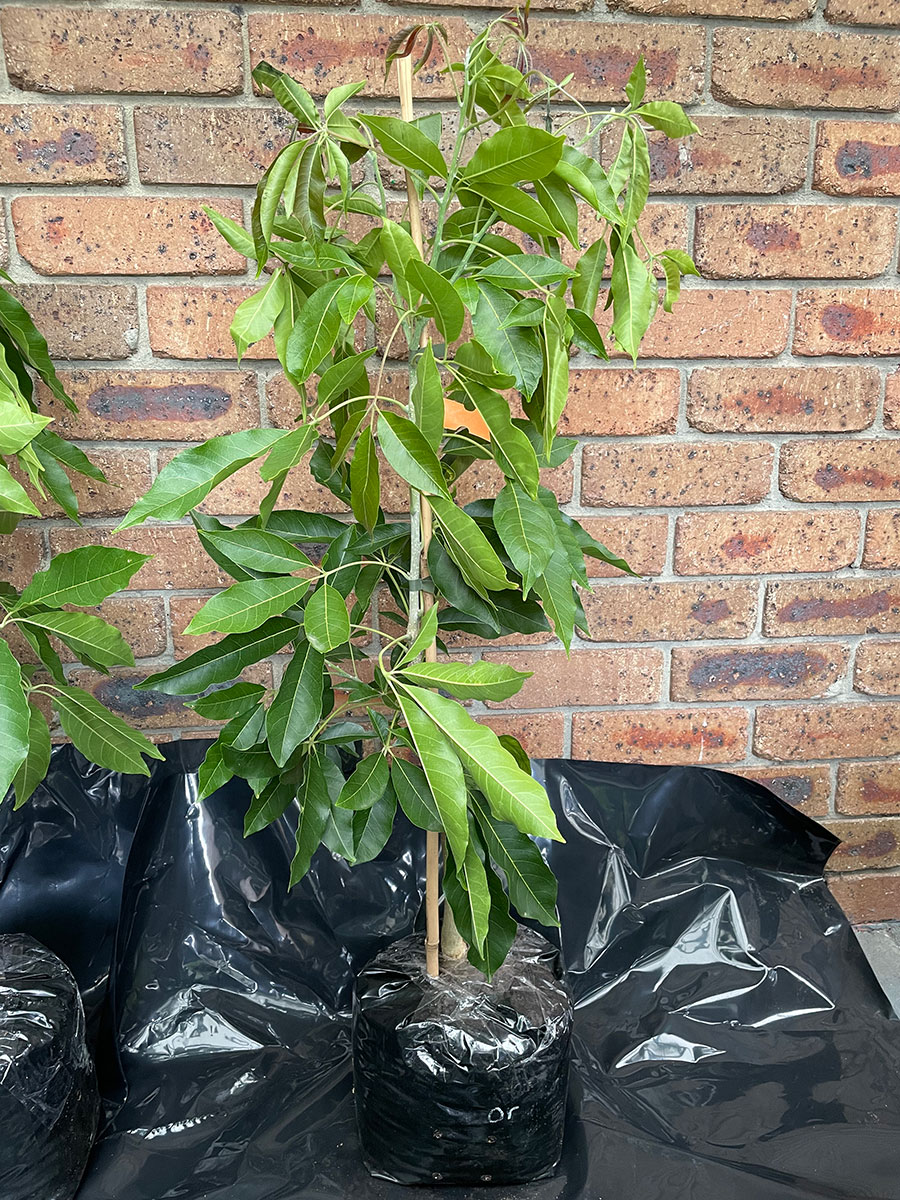
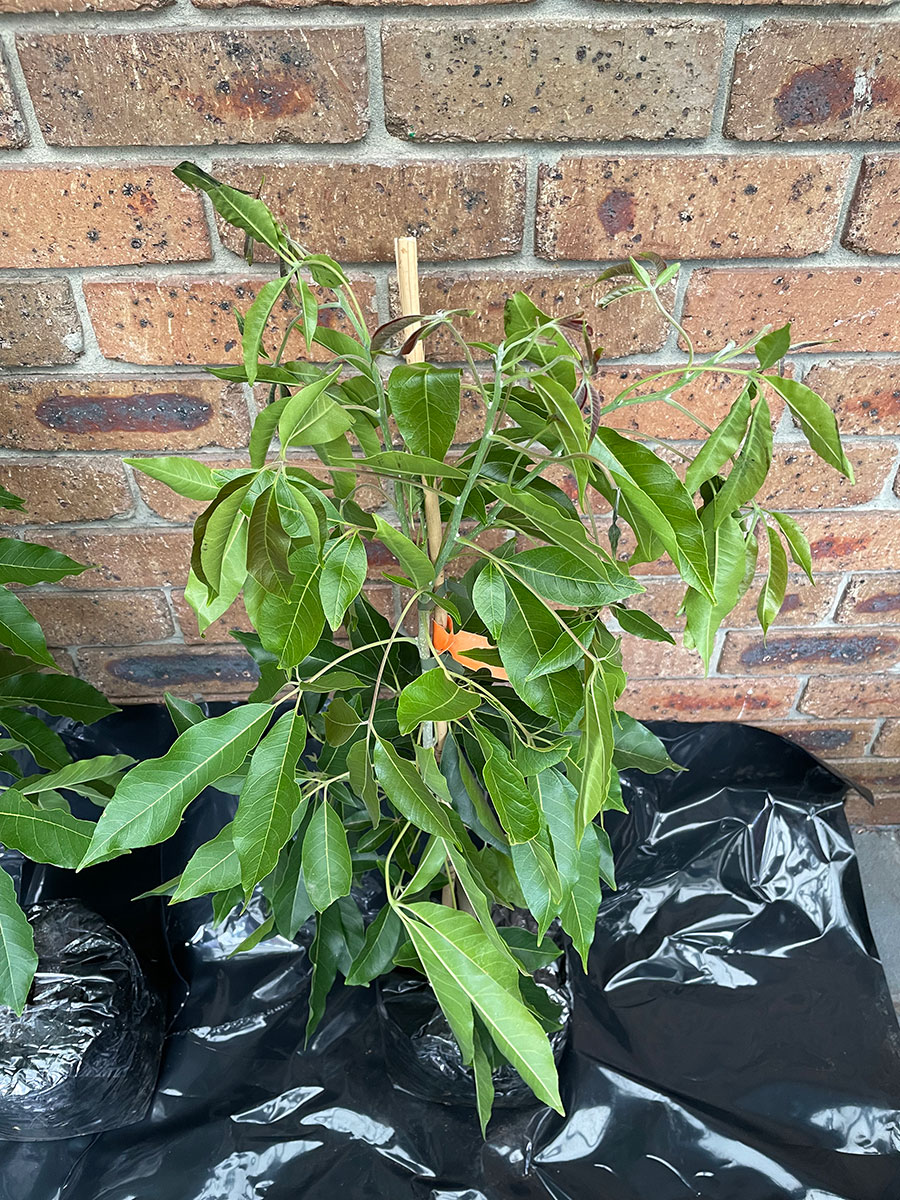
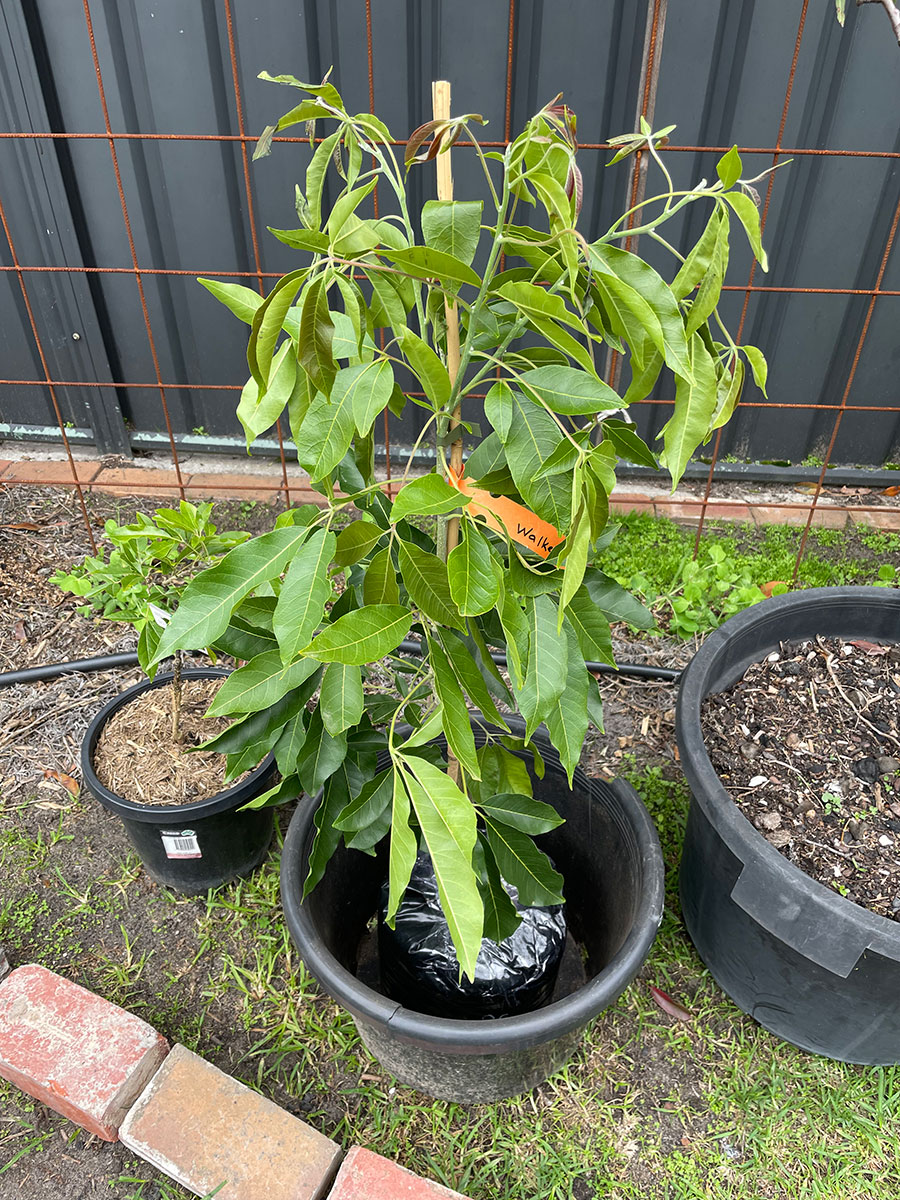
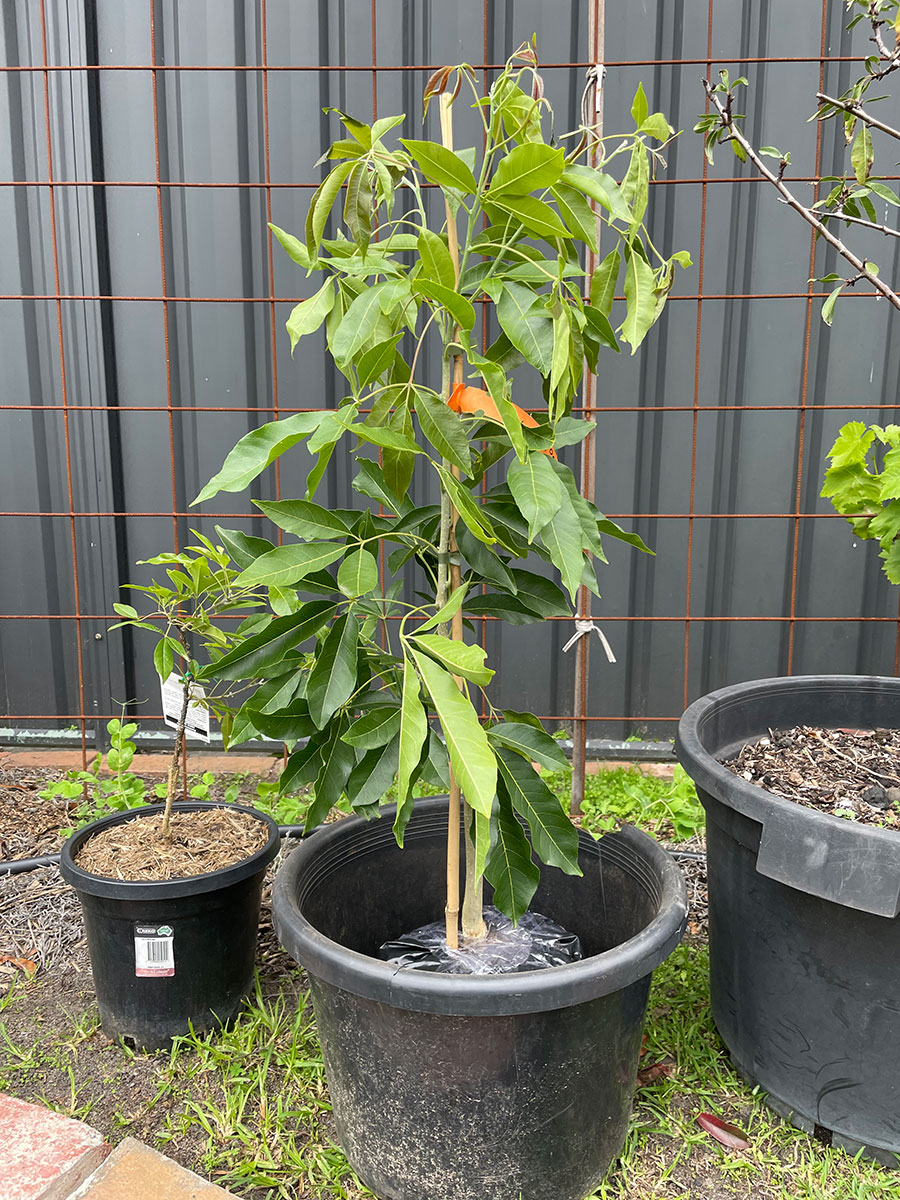
The Ortega white sapote is a notable cultivar of the white sapote (Casimiroa edulis), a fruit native to central Mexico. This variety is recognised for its oval-shaped fruit, which has a pleasant flavour and creamy texture reminiscent of custard. Below is a detailed overview of the Ortega white sapote, including its characteristics, cultivation, and culinary uses.
Characteristics
- Fruit Description: The Ortega variety produces oval-shaped fruits that are typically sweet with hints of vanilla and banana. The flesh is creamy and custard-like, making it a delightful addition to various dishes. However, the seeds are inedible and can be toxic if consumed.
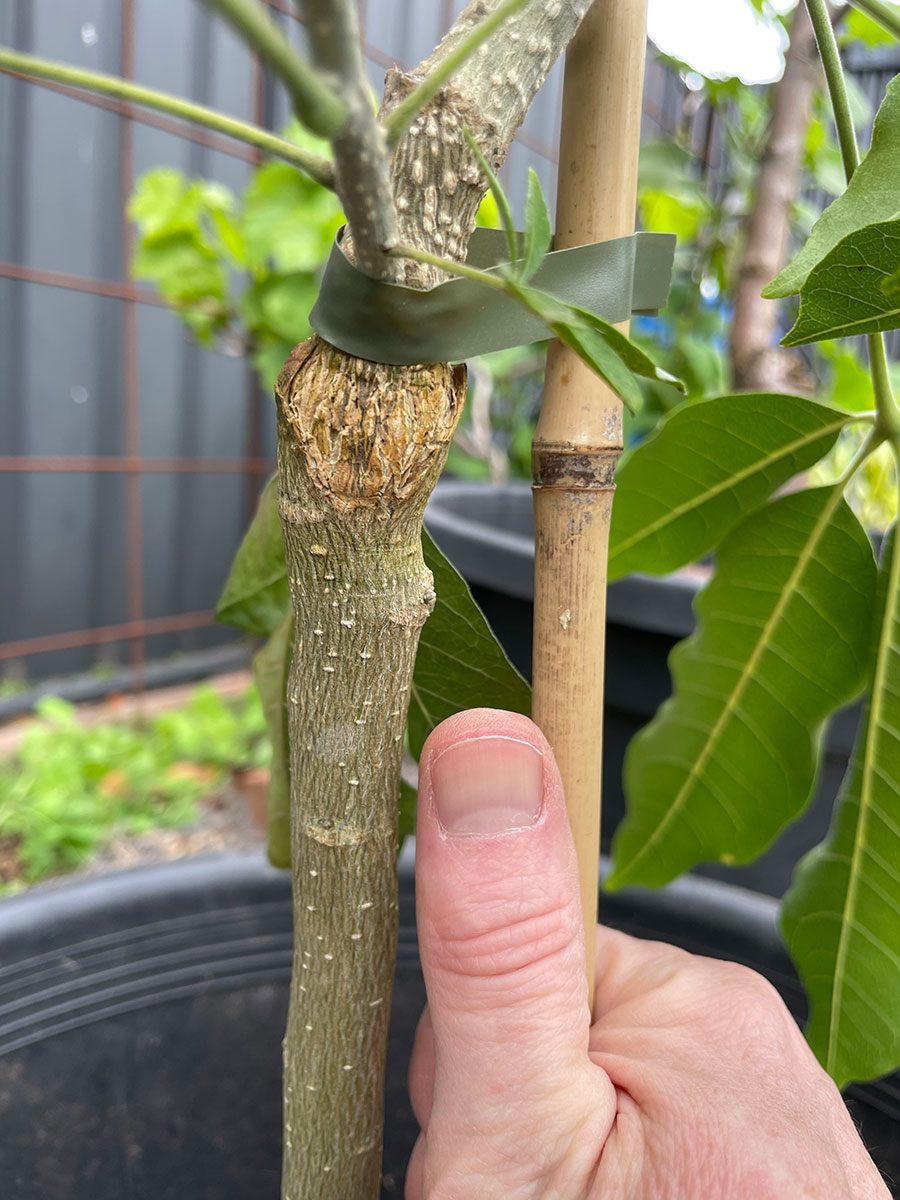
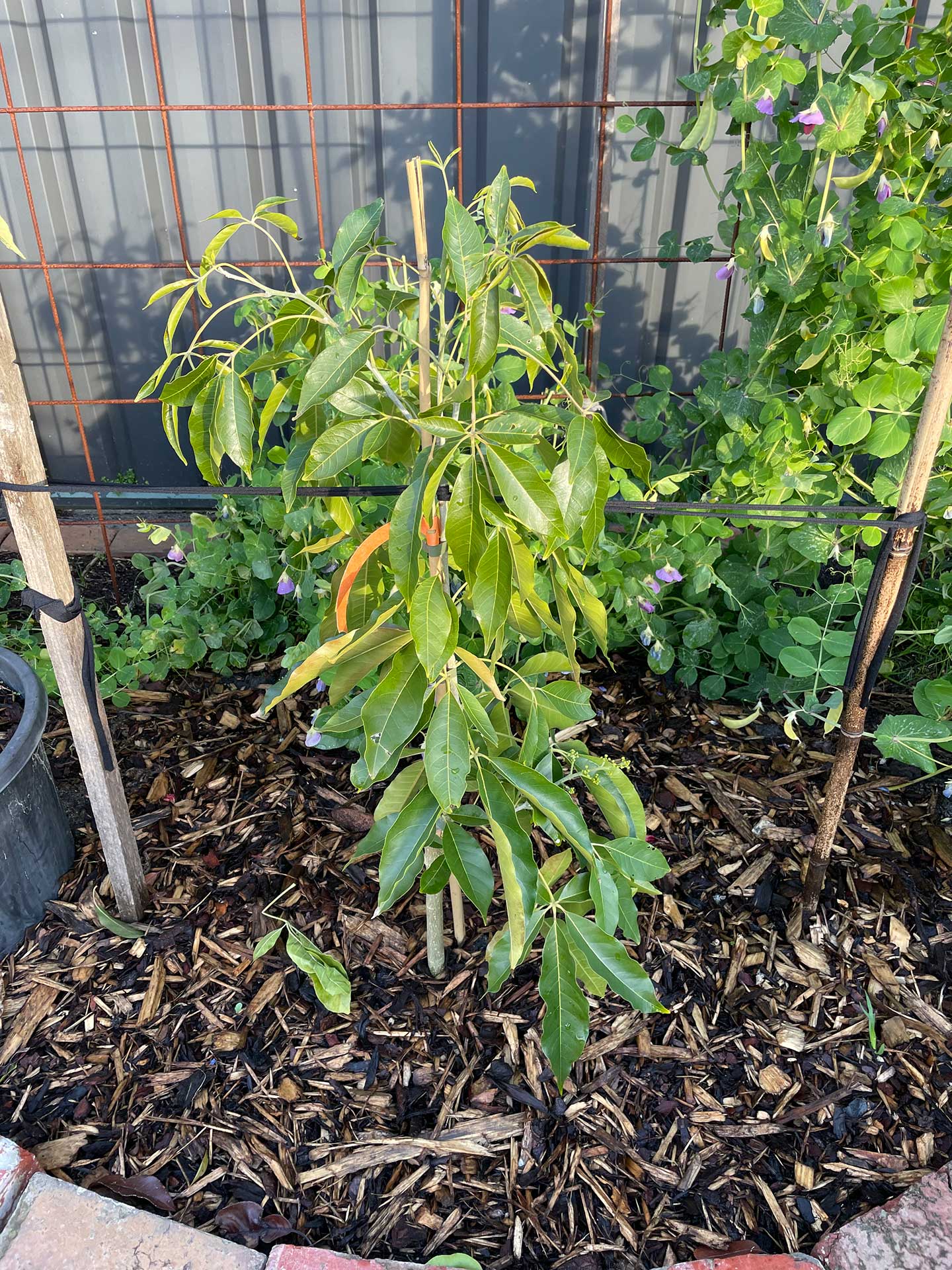
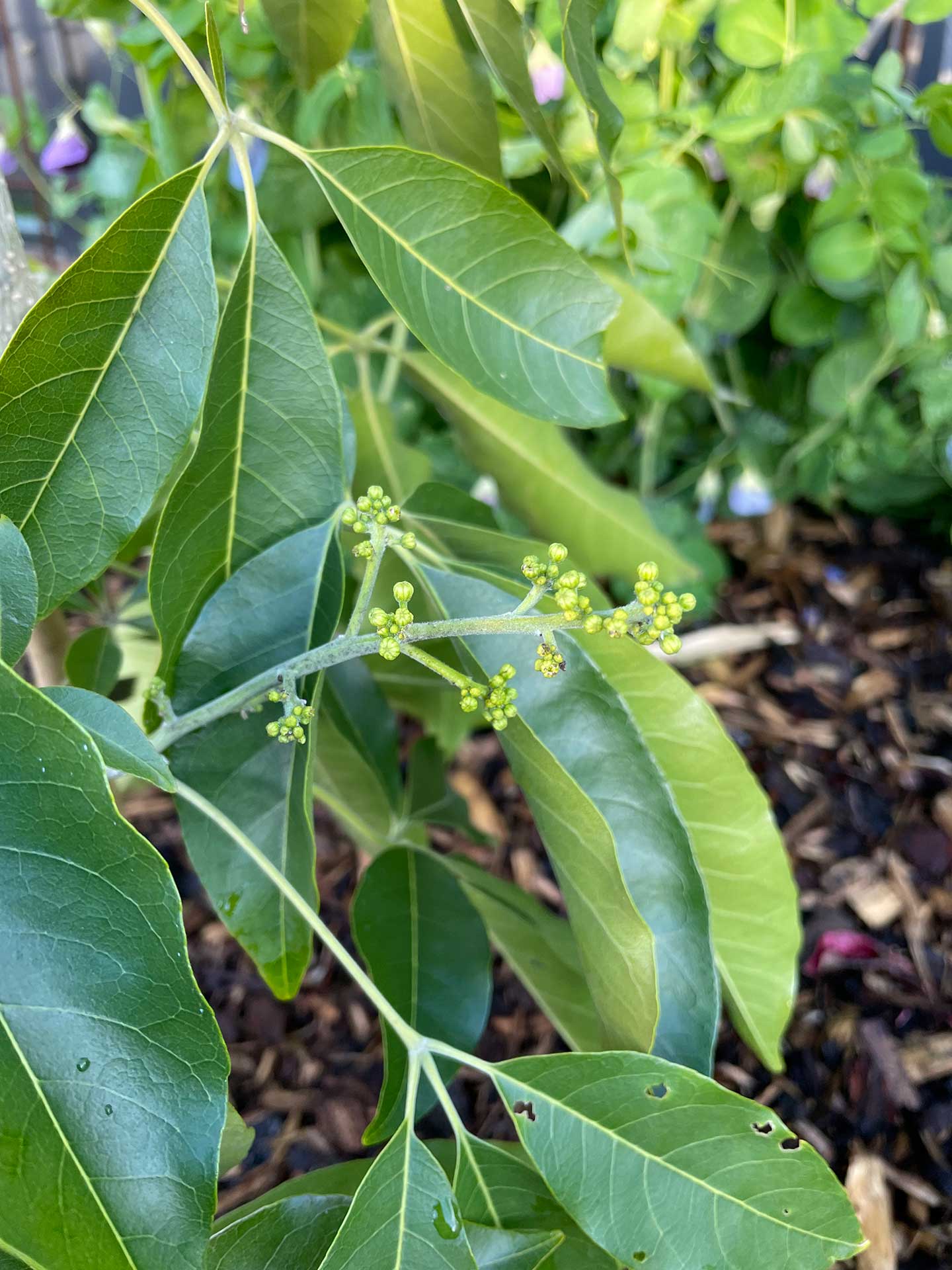
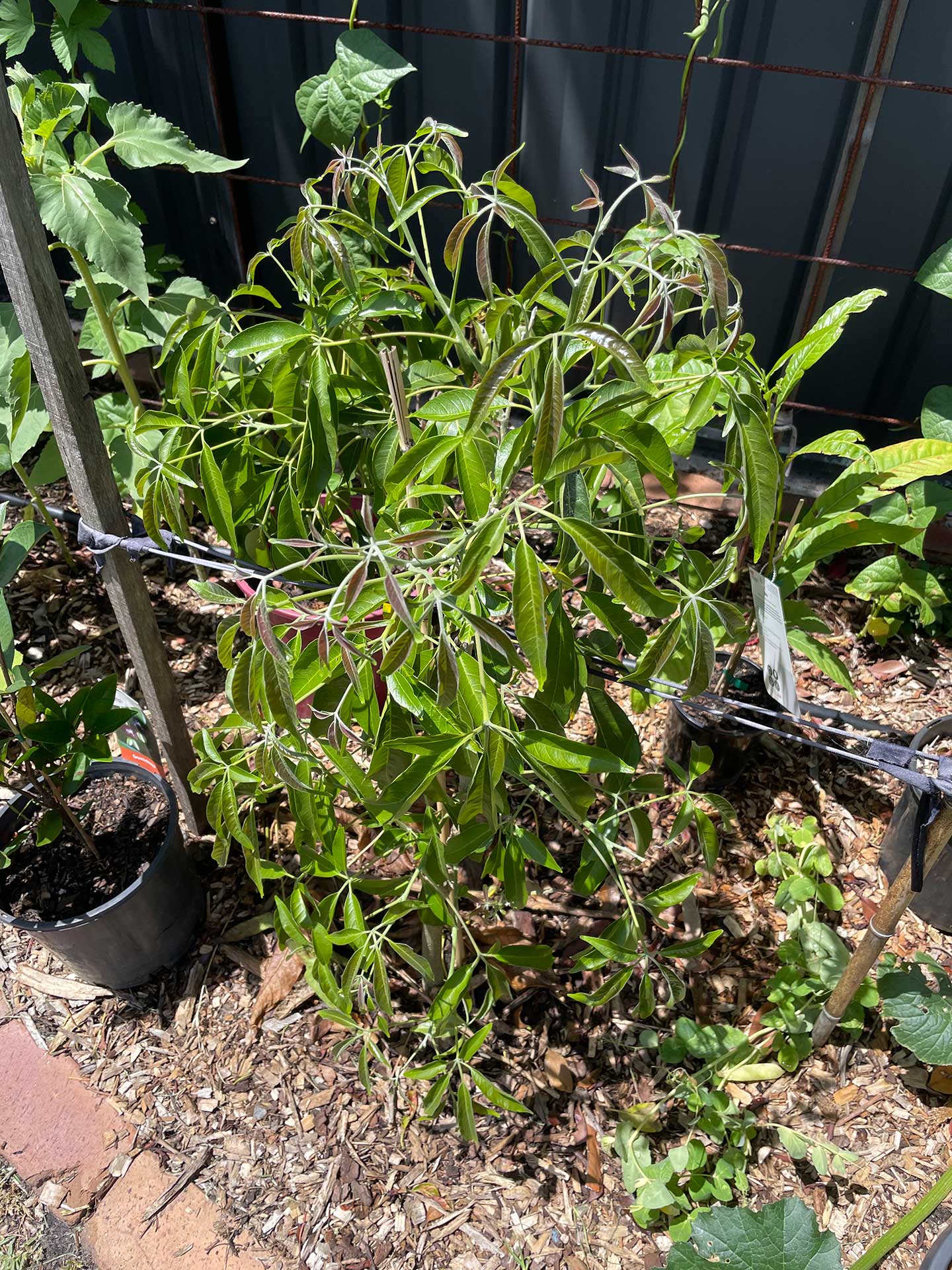
- Tree Growth: The Ortega white sapote tree has a compact growth habit with a somewhat drooping appearance. It is a regular cropper, yielding fruit in the mid to late season, making it an excellent choice for home gardeners. Additionally, it produces abundant pollen and flowers over an extended period, enhancing its role as a pollinator for other varieties.
Cultivation
- Growing Conditions: The Ortega white sapote thrives in warm climates and requires well-drained soil. It is essential to provide adequate summer watering, especially during fruit development. The tree is generally drought-tolerant once established but benefits from regular irrigation during dry spells.
- Pests and Diseases: Like many fruit trees, the Ortega white sapote can be susceptible to various pests and diseases. Regular monitoring and appropriate treatments, such as copper sulfate for leaf issues, can help maintain tree health.
- Harvesting: The fruit is typically harvested a few weeks before it reaches full ripeness. This allows for optimal flavor development once it ripens off the tree. The fruit should be handled carefully to avoid bruising, which can affect its quality.
Culinary Uses
- Consumption: The flesh of the Ortega white sapote can be eaten fresh, used in desserts, or blended into smoothies. It is also suitable for making jellies, sherbets, and ice creams. To prepare the fruit, it is advisable to peel it if the skin’s bitterness is undesirable.
- Storage: Ripe white sapotes should be stored in the refrigerator unwashed, ideally in a bag, for up to 3 to 5 days.
Conclusion
The Ortega white sapote is a versatile and flavourful fruit that can enhance a variety of culinary creations. Its ease of cultivation and attractive fruit make it a popular choice among gardeners and fruit enthusiasts alike. As with all varieties of white sapote, care should be taken to avoid the toxic seeds, ensuring a safe and enjoyable experience with this unique fruit.