


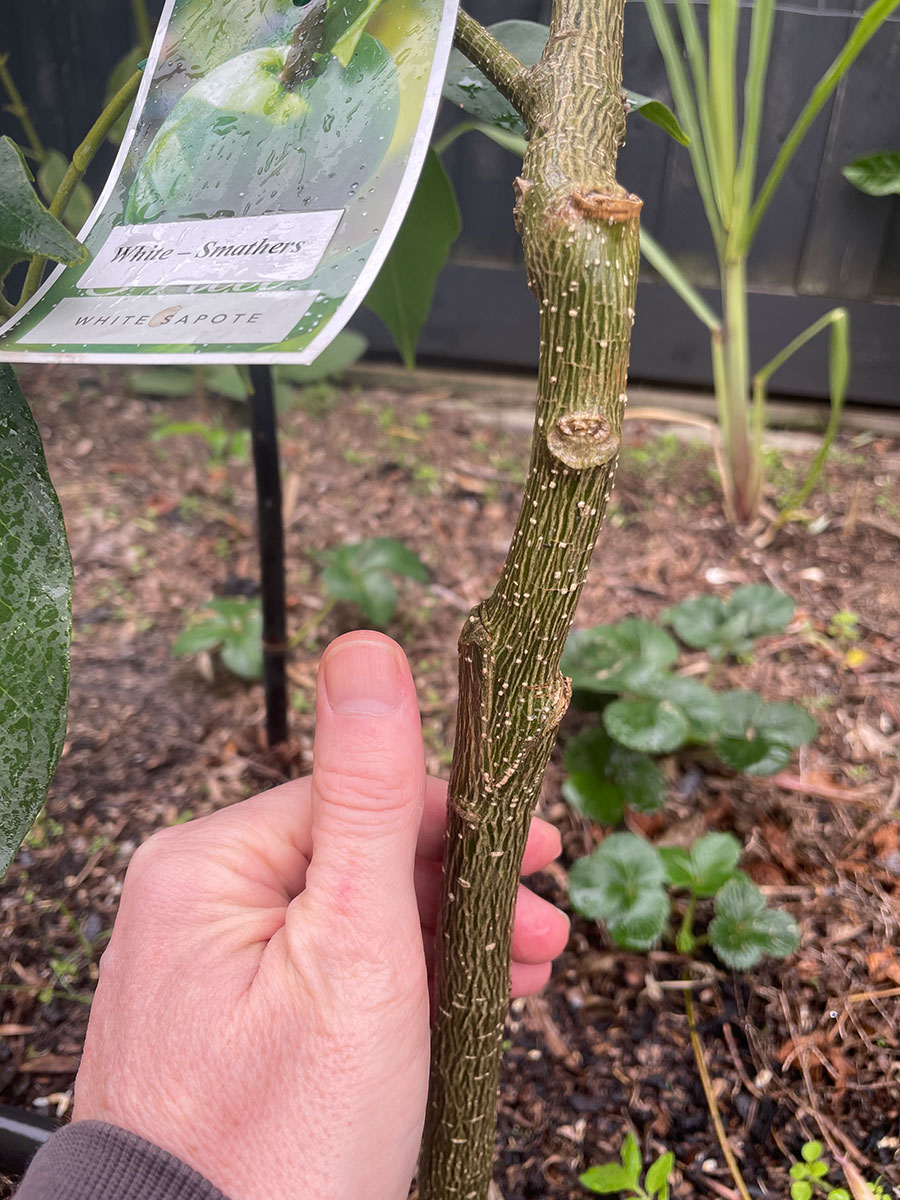
How to Graft White Sapote Fruit Trees - Grafting for Beginners!
Grafting is an ancient horticultural technique that allows gardeners and farmers to combine the desirable traits of different plant varieties into a single tree. For enthusiasts of exotic fruits like the white sapote (Casimiroa edulis), grafting opens up a world of possibilities for cultivating unique and delicious varieties in regions where they might not naturally thrive.
In Melbourne, where the climate can present challenges for tropical and subtropical fruit trees, mastering the art of grafting is essential for ensuring successful cultivation of white sapote. In this guide, we’ll delve into the optimal time for grafting white sapote in Melbourne and provide a step-by-step process for achieving the best success rate.
The Best Time for Grafting White Sapote in Melbourne:
Melbourne’s temperate climate poses certain considerations when it comes to grafting white sapote. Grafting and budding is most successful during the warm season when trees are actively growing. They have two main growth spurts, once in early spring and again in early autumn. The ideal time for grafting is during the late winter or early spring, typically falling between August and September. During this period, the sap is rising, and trees are beginning to enter their active growth phase after the dormancy of winter. By timing your grafting efforts to coincide with this natural rhythm, you maximise the chances of successful union between the rootstock and scion.
Step-by-Step Guide to Grafting White Sapote:
- Selecting Rootstock: Begin by identifying a healthy, vigorous white sapote tree to serve as the rootstock. Pike is a good variety of choice as it produces a long tap root and invasive side roots. It is ideal to have equal sized rootstocks and scions.
- Selecting Scion: Next, choose a scion, which is a young shoot from a desirable white sapote variety that you wish to graft onto the rootstock. Ensure that the scion is of similar diameter to the rootstock for a snug fit.
- Preparing Tools: Before making any cuts, ensure that your grafting knife or blade is sharp and clean. You’ll also need grafting tape or rubber bands to secure the graft once it’s made.
- Making the Cut: Use a sharp knife to make a diagonal cut approximately 0.5-1 inch (1-2 cm) long on both the rootstock and the scion. It’s crucial that the cuts match up as closely as possible to facilitate a tight union.
- Grafting Technique: There are several grafting techniques, but one commonly used method for white sapote is the cleft graft. This involves making matching cuts on both the scion and rootstock to create a tongue shape that fits together neatly.
- Securing the Graft: Once the scion and rootstock are aligned, secure them together using grafting tape or rubber bands. Ensure that the graft union is tight to prevent any movement that could hinder successful fusion.
- Protecting the Graft: After grafting, it’s essential to cover the graft union with grafting wax or a specialised grafting compound. This helps seal out moisture and prevent infection, promoting healing and integration of the graft.
- Caring for the Graft: Place the grafted tree in a sheltered location with partial shade to protect it from direct sunlight and harsh weather conditions. Maintain regular watering to keep the soil moist but not waterlogged, providing optimal conditions for graft establishment.
- Monitoring Progress: Keep a close eye on the graft for signs of growth. Once new shoots begin to emerge from the scion, you can remove the grafting tape or bands, indicating successful graft union.
Grafting white sapote in Melbourne requires careful timing, attention to detail, and a thorough understanding of the process. By following the steps outlined in this guide and grafting during the late winter or early spring months, you can significantly increase the likelihood of success. Whether you’re a seasoned horticulturalist or a novice gardener, mastering the art of grafting opens up endless possibilities for cultivating diverse and delicious varieties of white sapote in your Melbourne garden.