


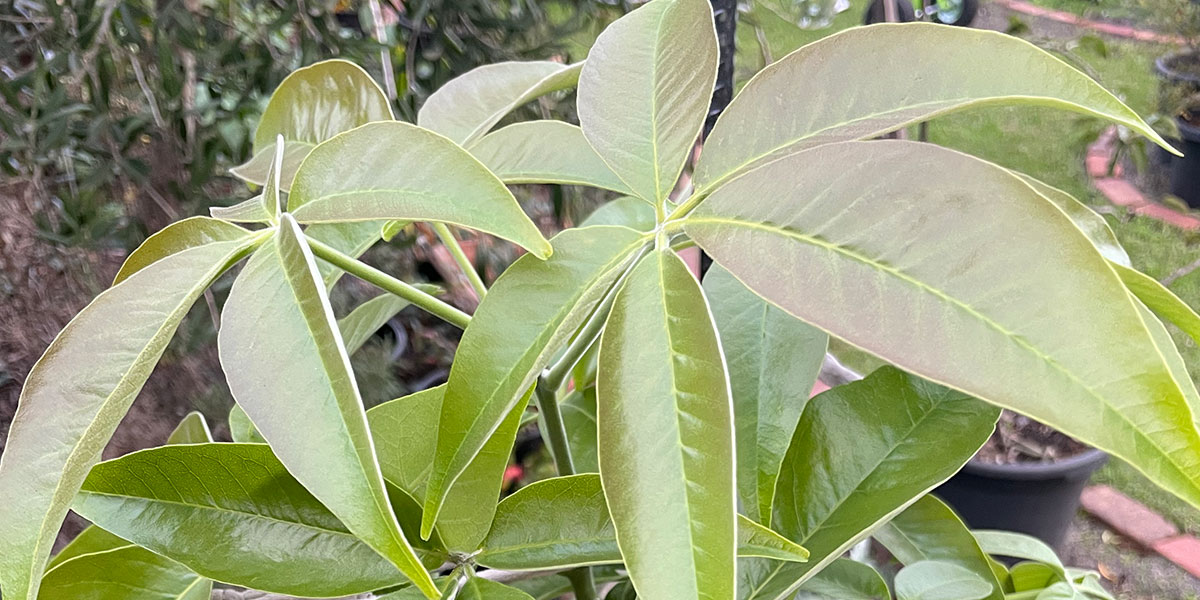
White sapote trees (Casimiroa edulis) are known for their delicious, custard-like fruits that are a delight to grow and enjoy. To ensure your white sapote tree produces healthy and abundant fruits, proper fertilisation is essential. Understanding how often to fertilise and which nutrients are critical will help you cultivate a thriving tree.
How Often to Fertilise White Sapote Trees
Fertilising your white sapote tree should be done with a regular schedule to ensure it receives the nutrients needed for optimal growth and fruit production. Here’s a guideline on how often to fertilise:
- Young Trees (0-3 years old)
- Frequency: Fertilise every 6-8 weeks during the growing season (spring through early autumn).
- Reason: Young trees are establishing their root systems and require consistent nutrient supply to support vigorous growth.
- Mature Trees (3+ years old)
- Frequency: Fertilise three times a year—in early spring, late spring, and early autumn.
- Reason: Mature trees have established root systems and need periodic nutrient boosts to support fruit production and overall health.
Essential Nutrients for White Sapote Trees
White sapote trees require a balanced mix of macronutrients and micronutrients. Here are the key nutrients they need and their roles:
- Nitrogen (N)
- Role: Essential for vegetative growth, nitrogen supports the development of leaves and stems.
- Signs of Deficiency: Yellowing leaves, stunted growth.
- Application: Use a balanced fertiliser with a moderate nitrogen content. Avoid excessive nitrogen, as it can lead to lush foliage with little fruit.
- Phosphorus (P)
- Role: Crucial for root development and flowering, phosphorus is vital for fruit set and overall plant health.
- Signs of Deficiency: Poor root growth, delayed flowering.
- Application: Ensure your fertiliser contains adequate phosphorus, especially during the pre-flowering period.
- Potassium (K)
- Role: Supports overall plant vigour, disease resistance, and fruit quality. Potassium is critical for the development of large, healthy fruits.
- Signs of Deficiency: Leaf browning, weak stems, poor fruit quality.
- Application: High-potassium fertilisers are beneficial, particularly during the fruiting period.
- Calcium (Ca)
- Role: Important for cell wall structure and stability, calcium helps prevent fruit disorders.
- Signs of Deficiency: Blossom end rot, poor fruit set.
- Application: Lime or gypsum can be used to provide calcium, especially if soil tests indicate a deficiency.
- Magnesium (Mg)
- Role: Central to chlorophyll production and photosynthesis.
- Signs of Deficiency: Interveinal chlorosis (yellowing between leaf veins).
- Application: Epsom salts (magnesium sulfate) can correct magnesium deficiencies.
- Micronutrients (Iron, Manganese, Zinc, Copper)
- Role: These trace elements are essential for various plant functions, including enzyme activity and chlorophyll production.
- Signs of Deficiency: General poor growth, chlorosis, leaf deformities.
- Application: Use a complete fertiliser that includes micronutrients or apply specific supplements as needed.
Best Practices for Fertilising White Sapote Trees
- Soil Testing
- Conduct a soil test before applying fertilisers to determine existing nutrient levels and pH. This helps tailor your fertilisation approach to your tree’s specific needs.
- Organic Matter
- Incorporate organic matter such as compost or well-rotted manure into the soil. Organic matter improves soil structure, water retention, and provides a slow-release source of nutrients.
- Mulching
- Apply a layer of mulch around the base of the tree to conserve moisture, regulate soil temperature, and gradually improve soil fertility as it decomposes.
- Avoid Over-Fertilisation
- Over-fertilising can harm your tree by causing nutrient imbalances or burning the roots. Follow recommended application rates and adjust based on your tree’s response and soil test results.
By following these guidelines and understanding the nutritional needs of your white sapote tree, you can ensure it remains healthy, productive, and capable of producing delicious, high-quality fruits. Regular fertilisation, combined with good cultural practices, will help your white sapote tree thrive.